
Koi Pond Construction in Randolph: An NJ Homeowner’s Guide
A koi pond changes how a backyard feels. Moving water, fish you can actually name, and a shady corner the whole family gravitates to on a warm evening. If you’ve been searching for koi pond construction near me in Randolph, this guide covers what goes into a well-built ecosystem pond and what New Jersey conditions ask of it. The point is to help you plan smart before anyone starts digging.
Key Takeaways
- A koi pond is a working ecosystem. The liner, filtration, pump, rock and gravel, plants, and fish all depend on each other.
- New Jersey winters shape the whole build. Depth, placement, and equipment choices decide whether your koi make it to spring.
- Local experience matters. A builder who knows Randolph soil, freeze cycles, and drainage can save you from expensive rework later.
What Makes a Koi Pond a Living Ecosystem
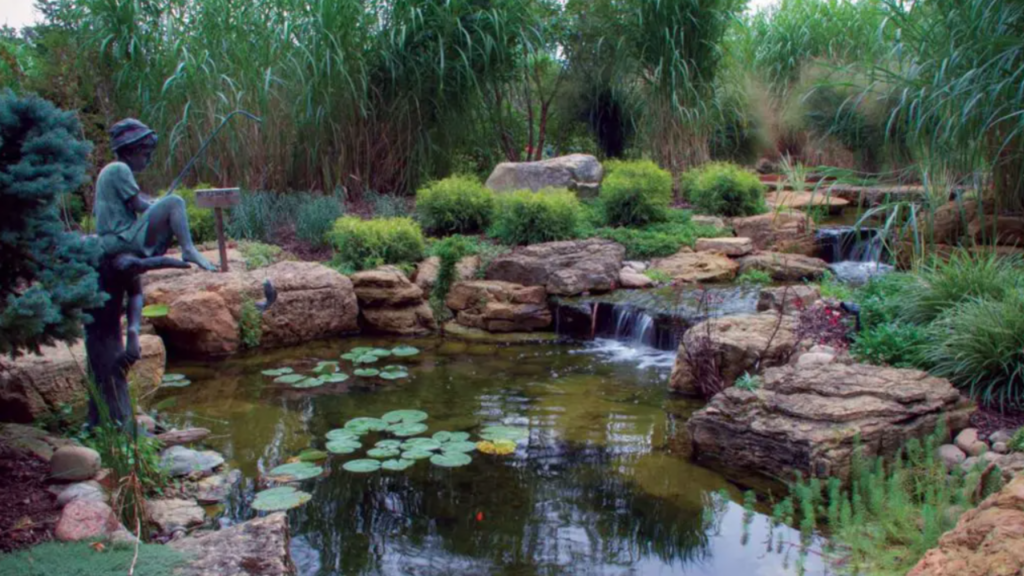
A koi pond is a small body of water specially constructed to keep fish healthy through every New Jersey season. Atlantis Water Gardens builds natural ecosystem ponds, which means the pond works as a complete environment. Plants, fish, water, air, and sunlight all connect, and each part does a job.
Here’s what usually goes into that system:
- Liner: holds the water and shapes the pond.
- Skimmer: pulls leaves and surface debris before they sink and rot.
- Biological filter: grows the good bacteria that break down fish waste and keep water clear.
- Pump: keeps water moving, which adds oxygen and stops stagnation.
- Rock and gravel: give bacteria a surface to colonize and make the pond look like it belongs in the landscape.
- Aquatic plants: shade the water, feed on excess nutrients, and give koi cover.
- Fish: koi and goldfish, the reason most people build in the first place.
The Importance of Creating an Ecosystem
An ecosystem pond does most of its own filtering. The plants and bacteria handle the waste that fish produce, so you’re not constantly running out to fix water problems. Leave out those biological pieces and the pond leans on chemicals and a lot more hands-on work. For a backyard koi pond in New Jersey, the natural approach usually means clearer water and less maintenance over the year.
When these parts are sized correctly and installed well, the pond mostly takes care of itself. When one part is undersized or skipped, you get green water, sick fish, or a pump that runs hot. Getting that balance right is what keeps upkeep low.
How New Jersey Weather Shapes Koi Pond Construction in Randolph
Randolph sits in Morris County, where the year runs through real winters and hot, humid summers. Both extremes change how a koi pond should be built.
Winter Weather
Cold is the bigger design driver. Ponds here can ice over for weeks. Koi survive winter by settling into the deepest, warmest water at the bottom and slowing down almost completely. If the pond is too shallow, that safe zone disappears. A common starting point for fish ponds in this climate is a section at least 2 feet deep, and deeper often gives koi more of a buffer. The right depth for your yard depends on size, soil, and the water table, so it’s worth confirming during a site visit.
Summer Weather
Summer brings the opposite problem. Warm water holds less oxygen, and koi need more of it when they’re active. Moving water from a waterfall or a well-placed pump helps, which is one reason koi often gather near a waterfall on hot days. Some afternoon shade from plants or a nearby tree keeps temperatures steadier. If you already own a pond, our guides on prepping a pond for summer and keeping enough oxygen in the water cover the warm-season routine in detail.
Pond Location
Placement matters too. Randolph yards with lots of mature trees drop heavy leaf loads in fall, so a skimmer and a plan for netting save hours of cleanup. Sloped lots need attention to runoff, since lawn chemicals and driveway runoff can wash straight into the pond after a storm.
Planning Your Build: Location, Size, and Depth
Good koi pond construction starts before the shovel, with a few decisions that are hard to change later.
Location
Pick a spot you’ll actually see and hear: off a patio, near a deck, or in view of a kitchen window. Keep some distance from large trees if you can, both for leaf load and because big roots complicate digging. Check for underground utilities before choosing the final footprint.
Sunlight
Aquatic plants like waterlilies want about 6 hours of sun a day to bloom well. Koi appreciate some shade to stay cool and to hide from herons and other predators. A mix of sun and afternoon shade tends to keep both happy.
Size
Bigger ponds are steadier. More water volume means temperature and water chemistry swing more slowly, which is easier on fish. A larger pond also gives koi room to grow, and koi can get big. If you think you might want more fish later, build with that in mind now.
Depth
Depth protects fish in winter and keeps the bottom cooler in summer. It also affects where filtration sits and where plants go.
Budget
Pond pricing varies with size, materials, rock, and site conditions, so there’s no single number. Atlantis Water Gardens keeps package pricing and a project planner on its website so you can get a realistic range before committing.
What Koi Pond Construction Involves, Step by Step
Every site is different, but a typical ecosystem pond build follows the same general order:
1. Design and layout
The crew marks the shape, depth zones, and where the waterfall and filtration will sit.
2. Excavation
Digging the pond with built-in shelves for plants and a deeper zone for fish.
3. Filtration and plumbing
Setting the skimmer, biological filter, pump, and the pipe that connects them.
4. Liner
Installing underlayment and the liner to hold water and protect against roots and rocks.
5. Rock and gravel
Placing boulders and gravel over the liner, which protects it and gives bacteria a home.
6. Waterfall and stream
Building the cascade that moves and oxygenates the water.
7. Fill and start-up
Adding water, treating it to remove chlorine, and running the system.
8. Plants and fish
Adding aquatic plants first, then fish once the water has settled.
A quality build pays attention to the parts you can’t see, like proper pipe sizing and a level skimmer, because those are the parts that cause headaches if they’re rushed. This is also where local building experience shows up. Atlantis Water Gardens has installed 500+ ponds across New Jersey over more than 20 years and holds Certified Aquascape Contractor status, the industry’s most demanding certification for pond builders.
Why a Local, Certified Builder Matters
Searching for koi pond construction near me in Randolph turns up options at a range of price points and skill levels. The build quality is what you live with for years, so it’s worth knowing what separates a solid installer from a risky one. Our guide on how to choose the right pond installation contractor walks through the questions to ask.
Local knowledge
A New Jersey builder understands freeze depth, seasonal leaf loads, and how local soil and water tables affect a dig. That knowledge goes straight into the design.
Certification
Atlantis Water Gardens holds Certified Aquascape Contractor (CAC) status, which requires training, exams, customer references, and photos of completed work reviewed by Aquascape’s technical team. The company has also been named Certified Aquascape Contractor of the Year and Water Feature Artist of the Year, and ranks as the #1 Aquascape installer and retailer in the world.
Track record
Over 20 years and 500+ ponds means the common problems have been seen and solved before. It also means the same team can maintain, repair, or expand the pond down the road.
Support After the Build
A pond is a living system that needs seasonal care. A local builder can come back for spring cleanings, fall prep, and troubleshooting, so you’re not left guessing. Some issues are quick fixes and some point to bigger problems, which our guide on common fish pond problems that require pro repair breaks down.
Keeping Your Koi Pond Healthy After the Build
A new pond settles into a routine within its first season. Most of the care is simple once you know the pattern: feed and watch the fish through the warm months, clear debris and prep the pond before winter, then inspect everything again in spring. Water quality is the thing to watch. Test it now and then, keep the filter running, and address green water or sluggish fish early instead of waiting. A few of our seasonal guides go deeper on feeding, winter prep, and plants, and they’re linked below.
What to Do Next
- Assess your yard. Note sun and shade, tree cover, slope, and the view from inside the house.
- Set a size and budget range. Use the Atlantis Water Gardens pricing page and project planner for a realistic picture.
- Book a site visit. A builder can confirm depth, placement, and drainage for your specific Randolph lot.
Safety note: Have underground utility lines marked before any digging. In New Jersey, call 811 before you dig.
Build Your Dream Oasis with Atlantis Water Gardens
Planning a koi pond is easier with someone who has built them in your area. Whether you’re ready to start or just gathering ideas, Atlantis Water Gardens can walk your property, answer questions, and help you plan a pond that fits your space and holds up to New Jersey seasons. You’ll get straight answers and no sales pressure.
📞Call: 973-627-0515
Frequently Asked Questions
How much does koi pond construction cost in Randolph, NJ?
It depends on size, materials, rock, and your specific site, so there’s no single price. A small feature and a large ecosystem koi pond sit at very different points. The Atlantis Water Gardens pricing page and project planner give you a realistic range, and a site visit sharpens that estimate for your yard.
How deep should a koi pond be for New Jersey winters?
Deep enough that koi have a warm, stable zone below the ice. A section at least 2 feet deep is a common starting point in this climate, and deeper often gives fish more of a cushion. The right depth for your pond depends on its size and your soil, so it’s best confirmed on site.
How long does koi pond construction take?
It varies with the size and complexity of the build and with site conditions like access and soil. Smaller features go faster than large ecosystem ponds. A consultation gives you a realistic timeline for your specific project rather than a guess.
Can I add koi right after the pond is built?
Give the water a little time first. A new pond needs its filtration to establish before it can handle a full fish load, so it’s better to add plants first and introduce fish gradually as the system settles. Your builder can tell you when the pond is ready.

Founder & Master Pond Builder
Jaak Harju is the founder and master pond builder of Atlantis Water Gardens, a family-owned design and build firm specializing in natural-looking ponds, waterfalls, and ecosystem water features. Since 2000, Jaak has dedicated his career to creating outdoor environments that inspire connection with nature.
With a background in landscape design and construction, Jaak brings artistry and precision to every project. He’s known nationally for his creative stonework, ecological pond design, and educational outreach within the pond-building community. Through his work, videos, and collaborations with other Aquascape-certified contractors, Jaak has helped redefine backyard water features as sustainable, living ecosystems.