Koi Pond Algae Management: 5 Ways to Keep Your New Jersey Pond Healthy and Clear
If you’ve ever glanced at your koi pond and noticed a greenish tinge to the water, your first instinct might be to get rid of it. But here’s what most pond owners don’t realize: not all algae is your enemy. Some of it is actually keeping your pond alive.
The goal of good koi pond algae management isn’t elimination. It’s balance. Here’s how to tell the difference between algae that’s helping and algae that’s hurting — and what to do about each.
TL;DR: Healthy koi ponds need some algae. The key is preventing blooms through consistent filtration, aquatic plants, beneficial bacteria, controlled feeding, and regular water testing. Balance beats the nuclear option every time.
🌿 1. Understand What Algae Is Actually Doing in Your Pond
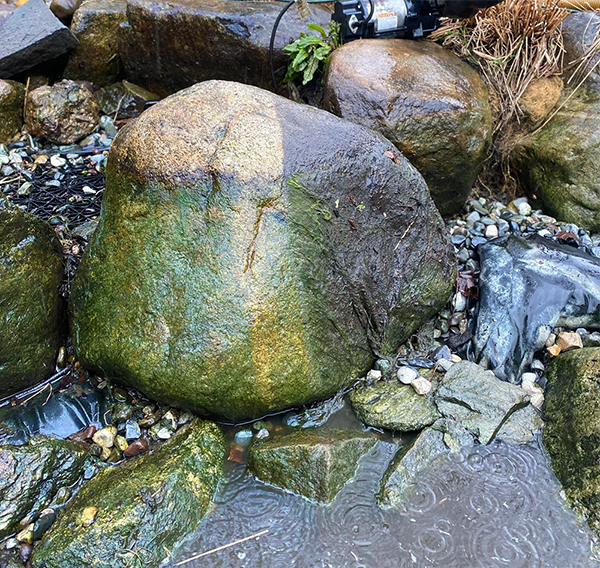
Algae often gets treated like a pest, but it earned its place in the ecosystem long before koi ponds existed. Through photosynthesis, algae produces oxygen that your fish depend on. It absorbs excess nutrients that would otherwise fuel worse problems. Thin coatings of green algae on pond rocks and walls are a sign of a functioning, living system.
The trouble starts when balance tips. Unchecked algae blooms deplete oxygen overnight, cloud the water, and signal that something else is off, usually nutrients, sunlight, or filtration. That’s when koi pond algae management becomes critical for fish health.
🔍 2. Know the Difference Between Good Algae and Problem Algae
Not all algae behaves the same way, and treating them all identically is one of the most common mistakes we see across Morris County ponds.
Green water algae (single-celled, free-floating) turns your water pea-soup green. It’s not immediately dangerous but indicates a nutrient imbalance and blocks light from reaching your fish and plants.
String algae (filamentous, hair-like strands) clings to rocks and waterfalls. A thin layer is harmless. Thick mats can trap fish, reduce flow, and look unsightly.
Beneficial algae coating pond surfaces in a thin green or brown film is actually a healthy sign. Leave it alone.
The key to koi pond algae management in New Jersey is learning which type you’re dealing with before reaching for a treatment.
💧 3. Use Aquatic Plants as Your First Line of Defense
Plants and algae compete for the same resources: nutrients, sunlight, and carbon dioxide. When your plant coverage is healthy, algae simply has less to work with. This is the most natural and sustainable form of koi pond algae management available.
Floating plants like water lilies and water lettuce shade the surface and starve algae of light. Submerged plants like anacharis and hornwort pull nutrients directly from the water column. Marginal plants along the edges of Parsippany or Denville ponds absorb runoff before it ever becomes a problem.
Aim for 40–60% surface coverage by late spring for maximum effect.
🦠 4. Keep Beneficial Bacteria Working Year-Round
Algae blooms are almost always a nutrient problem at their core. Fish waste, uneaten food, and decaying plant matter release ammonia and nitrates into the water. Beneficial bacteria break those compounds down before algae can feed on them.
In New Jersey, beneficial bacteria become active again once water temps climb above 50°F, typically in early spring. Starting treatments early, before blooms have a chance to establish, is one of the most effective koi pond algae management strategies for Bergen, Passaic, and Sussex County pond owners. Apply consistently through the season and after any heavy rain.
🧪 5. Test Your Water Before You Treat Anything
Algae blooms are symptoms, not the disease. A sudden bloom almost always points to an underlying imbalance in water quality, and treating the algae without addressing the cause is a losing battle.
Test pH, ammonia, nitrites, nitrates, and phosphates before reaching for any treatment. High nutrients usually point to overfeeding, insufficient filtration, or organic debris buildup. High pH swings can signal a CO₂ imbalance. Knowing what you’re actually dealing with makes every other step in your koi pond algae management routine more effective.
Frequently Asked Questions
Is algae harmful to koi fish in New Jersey ponds? Not inherently. A thin layer of algae on pond surfaces is normal and harmless. The danger comes from dense blooms, which can deplete oxygen levels overnight and create dangerous conditions for koi, especially in warmer Morris County summers.
How do I get rid of string algae in my koi pond? Manual removal combined with barley extract and beneficial bacteria treatments is the most effective approach. Improving plant coverage and reducing nutrients through better filtration addresses the root cause. Avoid chemical treatments that can harm your koi and beneficial bacteria.
Why does my koi pond keep getting algae every spring? Spring algae blooms are driven by warming water, increased sunlight, and nutrient buildup from winter debris. Starting your beneficial bacteria treatments and pond cleaning before water temps rise consistently above 50°F gives you the best head start on koi pond algae management.
Can I use algaecide in a koi pond? We strongly caution against chemical algaecides in koi ponds. They can harm fish, wipe out beneficial bacteria, and create oxygen crashes as large amounts of dead algae decompose. Natural solutions — plants, bacteria, UV clarifiers, and barley extract — are safer and more sustainable for Atlantis Water Gardens clients throughout New Jersey.
What is the fastest way to clear green water in a koi pond? A UV clarifier is the fastest solution for green water caused by free-floating algae. It destroys algae cells as water passes through, typically clearing a pond within a week. Pairing it with beneficial bacteria and improved plant coverage prevents it from coming back.
Struggling with algae in your koi pond this season? Atlantis Water Gardens serves Morris County and throughout New Jersey with expert pond maintenance, water treatments, and spring cleanouts. Call us at 973-627-0515 or visit atlantiswatergardens.com to get started.
Written By: Jesse Karbowski – Atlantis Water Gardens. Serving New Jersey
Check out more Tips and Weekly videos on your YOUTUBE channel!

Founder & Master Pond Builder
Jaak Harju is the founder and master pond builder of Atlantis Water Gardens, a family-owned design and build firm specializing in natural-looking ponds, waterfalls, and ecosystem water features. Since 2000, Jaak has dedicated his career to creating outdoor environments that inspire connection with nature.
With a background in landscape design and construction, Jaak brings artistry and precision to every project. He’s known nationally for his creative stonework, ecological pond design, and educational outreach within the pond-building community. Through his work, videos, and collaborations with other Aquascape-certified contractors, Jaak has helped redefine backyard water features as sustainable, living ecosystems.