Pond Maintenance · Summer Care
Why Are My Koi Gasping at the Surface? What Every NJ Pond Owner Needs to Know This Summer
Koi gasping at the surface or crowding the waterfall in summer is one of the most alarming things a pond owner can see. Here is what is happening, why summer makes it worse in New Jersey, and exactly what to do about it.
By Jaak Harju · Atlantis Water Gardens · Updated June 2026
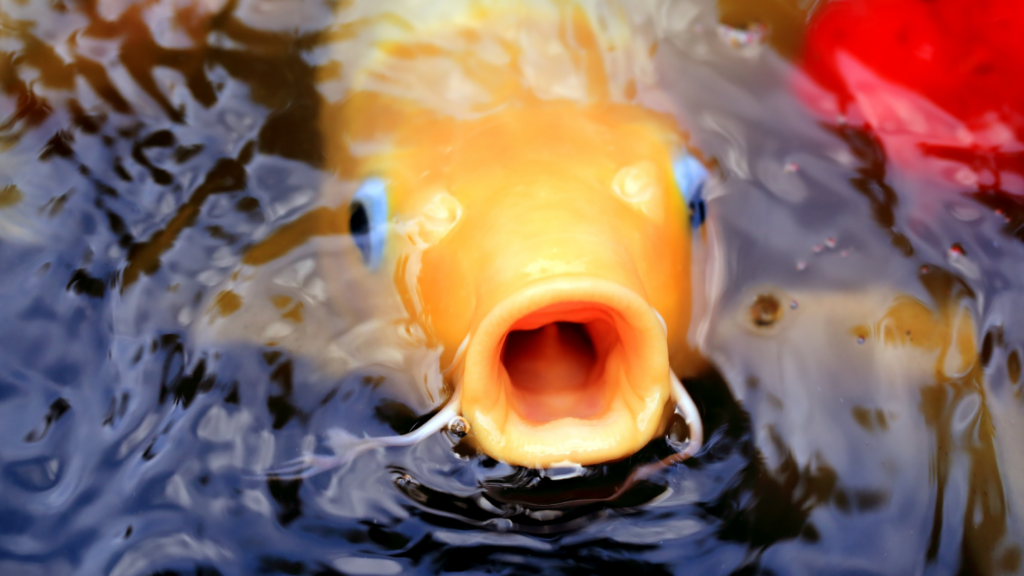
Koi gasping at the surface in summer is not just unsettling to watch. It is an urgent signal that your fish are struggling to breathe and that something in your pond needs to change fast. This is one of the most common summer calls we get from pond owners across Morris, Bergen, Passaic, and Sussex Counties, and in almost every case the cause is the same: low dissolved oxygen.
Understanding why it happens, how to respond immediately, and how to prevent it from coming back is some of the most important knowledge any New Jersey pond owner can have heading into the hottest months of the year.
TL;DR
Koi gasping at the surface in summer almost always means low dissolved oxygen. Warm water holds far less oxygen than cool water, and hot New Jersey summers push ponds into dangerous territory fast. Increase surface agitation immediately, stop feeding, and get an aerator running. Koi crowding the waterfall is an early warning sign. Koi at the surface gasping is an emergency.
1Why summer is the most dangerous time for oxygen in your pond
Here is the science behind koi gasping at the surface in summer, and it is worth understanding because it changes how you manage your pond all season long. Warm water holds significantly less dissolved oxygen than cool water. At 60 degrees F, water holds roughly 10 mg/L of oxygen. By the time your pond hits 80 degrees F on a hot Morris County July day, that number drops to around 7.5 mg/L. Push into the mid-80s and it falls even further.
At the same time, your koi are more active in summer. They are eating more, moving more, and their metabolism is running at full speed, all of which means they are consuming more oxygen, not less. So just when the water has the least oxygen to offer, your fish need the most. That is the summer oxygen squeeze that causes koi gasping at the surface.
- At 60 degrees F, water holds approximately 10 mg/L of dissolved oxygen
- At 80 degrees F, that drops to approximately 7.5 mg/L
- At 86 degrees F, it falls to around 7 mg/L or lower
- Koi need a minimum of 6 mg/L to stay healthy, and thrive above 8 mg/L
2Koi at the waterfall is a warning. Koi gasping at the surface is an emergency.
There is an important distinction between these two behaviors and recognizing which one you are seeing tells you how urgently you need to act.
When koi start clustering around the waterfall and ignoring the rest of the pond, they are moving to the most oxygen-rich zone in the water. The waterfall continuously splashes and aerates, creating a pocket of higher dissolved oxygen. This behavior is an early warning sign that oxygen is getting low everywhere else. You have time to act, but do not ignore it.
When koi are at the surface with their mouths opening and closing, what pond keepers call piping, they are accessing the thin oxygen-rich layer right at the air-water interface. This is desperation behavior. This is an emergency that requires immediate action.
Emergency Sign
If you see your koi gasping at the surface, especially in the early morning hours, do not wait to see if it gets better on its own. Take action immediately. Fish can die from oxygen depletion within hours in severe cases.
3What causes low oxygen beyond just heat
Temperature is the main driver, but several other factors can make koi gasping at the surface worse or trigger it even on days that are not the hottest of the summer:
- Algae blooms that consume oxygen overnight rather than producing it, leaving oxygen at its lowest point by early morning
- Overfeeding, which means uneaten food and increased fish waste, both of which require oxygen-consuming bacteria to break down
- A clogged or dirty filter that reduces water circulation and oxygen transfer across the surface
- Overstocking, where too many fish are competing for the same limited oxygen supply
- A sudden algae die-off from using an algaecide in summer, which can crash oxygen levels within hours as the decomposing algae consumes what little oxygen remains
- Calm, still, windless days with no surface agitation to exchange gases naturally
4What to do right now if your koi are gasping
If you are seeing koi gasping at the surface right now, here is your emergency response in order of speed and impact:
Emergency Response
Do these things immediately, in this order.
- Turn your waterfall up to maximum flow to maximize surface agitation and gas exchange
- Aim a garden hose at the pond surface and let it splash for 20 to 30 minutes to add fresh oxygenated water
- Stop feeding your fish immediately. Digestion consumes oxygen your fish cannot spare right now.
- If you have an air pump or aerator, get it running now. If not, a small submersible pump aimed at the surface will help.
- Do a 10 to 20% partial water change with dechlorinated cool water to lower temperature and add fresh oxygen
- Do not use any chemical treatments until oxygen levels are restored
5How to prevent koi gasping at the surface all summer long
Once you have addressed the immediate crisis, the goal is to make sure it does not happen again. Here is what consistently works for New Jersey pond owners through the hottest months:
- Add a dedicated air pump with a diffuser. This is the single most effective long-term solution for summer oxygen and does not rely on your waterfall alone.
- Keep your filter clean and running at full capacity so water circulation stays strong all season
- Feed smaller amounts more frequently rather than large feedings, and only what fish can finish in 2 to 3 minutes
- Add floating plants to shade the surface, which lowers water temperature and slows the oxygen-depleting effects of sunlight
- Avoid chemical algae treatments in peak summer heat. If you must treat algae, do it in the early morning and run maximum aeration simultaneously.
- Consider running your waterfall 24 hours a day through July and August rather than putting it on a timer
Why Koi Gasping at the Surface Is More Common in New Jersey Summers
New Jersey summers are genuinely hard on pond fish. Heat waves that push air temps into the 90s translate directly into pond water temperatures that can reach the mid-80s, particularly in shallower ponds in full sun across Parsippany, Denville, and Rockaway. At those temperatures, the margin between healthy oxygen levels and dangerous ones is thin and can be crossed quickly by any of the contributing factors above.
Ponds that have no issues in May and June can suddenly become crisis situations in July and August as temperatures peak. If your pond is in full sun, on the shallower side, or carrying a heavier fish load, adding a dedicated aerator before summer hits is one of the best investments you can make for your koi’s long-term health.
Why are my koi gasping at the surface in summer in New Jersey?
Koi gasping at the surface in summer is almost always a sign of low dissolved oxygen. Warm water holds significantly less oxygen than cool water, and when New Jersey temps push into the 80s, pond oxygen levels can drop fast. Koi come to the surface because the oxygen-rich layer is thinnest there. It is a warning sign that needs immediate attention.
Why are my koi crowding around the waterfall in summer in Morris County?
Koi naturally move to wherever oxygen levels are highest. A waterfall continuously aerates the water as it splashes over rocks, creating an oxygen-rich zone. When your koi are all clustered at the waterfall and ignoring the rest of the pond, dissolved oxygen is almost certainly low everywhere else.
What is the fastest way to add oxygen to a koi pond in summer?
The fastest emergency fix is to add surface agitation immediately. Aim a garden hose at the surface to splash and aerate the water, turn your waterfall up to maximum flow, and stop feeding your fish right away since digestion consumes oxygen. A dedicated air pump with a diffuser is the best long-term solution.
Why do koi gasp more in the morning in Parsippany and Rockaway, NJ?
Aquatic plants and algae produce oxygen during daylight hours through photosynthesis, but at night they reverse and consume oxygen instead. By early morning, oxygen levels in your pond are at their lowest point of the day. If you notice koi gasping specifically in the morning, overnight oxygen depletion from algae or plants is often the cause.
How do I prevent low oxygen in my New Jersey koi pond in summer?
The best prevention is a combination of proper aeration, not overfeeding, keeping your filter clean and flowing well, adding shade to reduce water temperature, and avoiding chemical algae treatments in summer that can cause sudden oxygen crashes when algae dies rapidly.
Worried about your koi this summer or not sure your aeration setup is keeping up? Give us a call. We have been helping New Jersey pond owners through every summer challenge since 2000 and we are happy to help you figure out what your pond needs.
See it in action
Our YouTube channel has real pond maintenance tips, summer care content, and builds from across New Jersey. Worth a look before the heat of summer hits.
Watch our builds on YouTube ↗
Written by Jaak Harju · Atlantis Water Gardens · Serving New Jersey since 2000